Sussex Mindfulness Centre logo
NHS Sussex Partnership - NHS Foundation Trust logo

Tag: Lana Jackson

  • Wellbeing course for women migrants

    Wellbeing course for women migrants

    6 May 2025 at 10:00 to 12:00

    Learn skills to manage stress and improve life. Join this free ten-week programme for women migrants. The trauma-informed and culturally sensitive course will be held outdoors in a beautiful garden. The course sessions are on Tuesdays from 6 May 2025 until 15 July 2025. This course may be full, but you can fill in the form to join the waitlist, in case someone drops out.

    You can join the waitlist by filling in this short application form.

    Threline drawing of three women

    Overview

    The course includes activities designed to promote wellbeing, and reduce anxiety and stress. These activies include:

    • Learning simple skills to help calm the mind
    • Gentle movement and stretching exercises (that can be adapted for everyone)
    • Using art and and creativity (no experience needed)
    • An opportunity to practice English. The course is taught in plain simple English using visual prompts (fluency is not necessary)

    The benefits of doing the course include:

    • Understanding how the mind works
    • Being able to cope better in difficult situations
    • Shared sense of solidarity and community

    Location

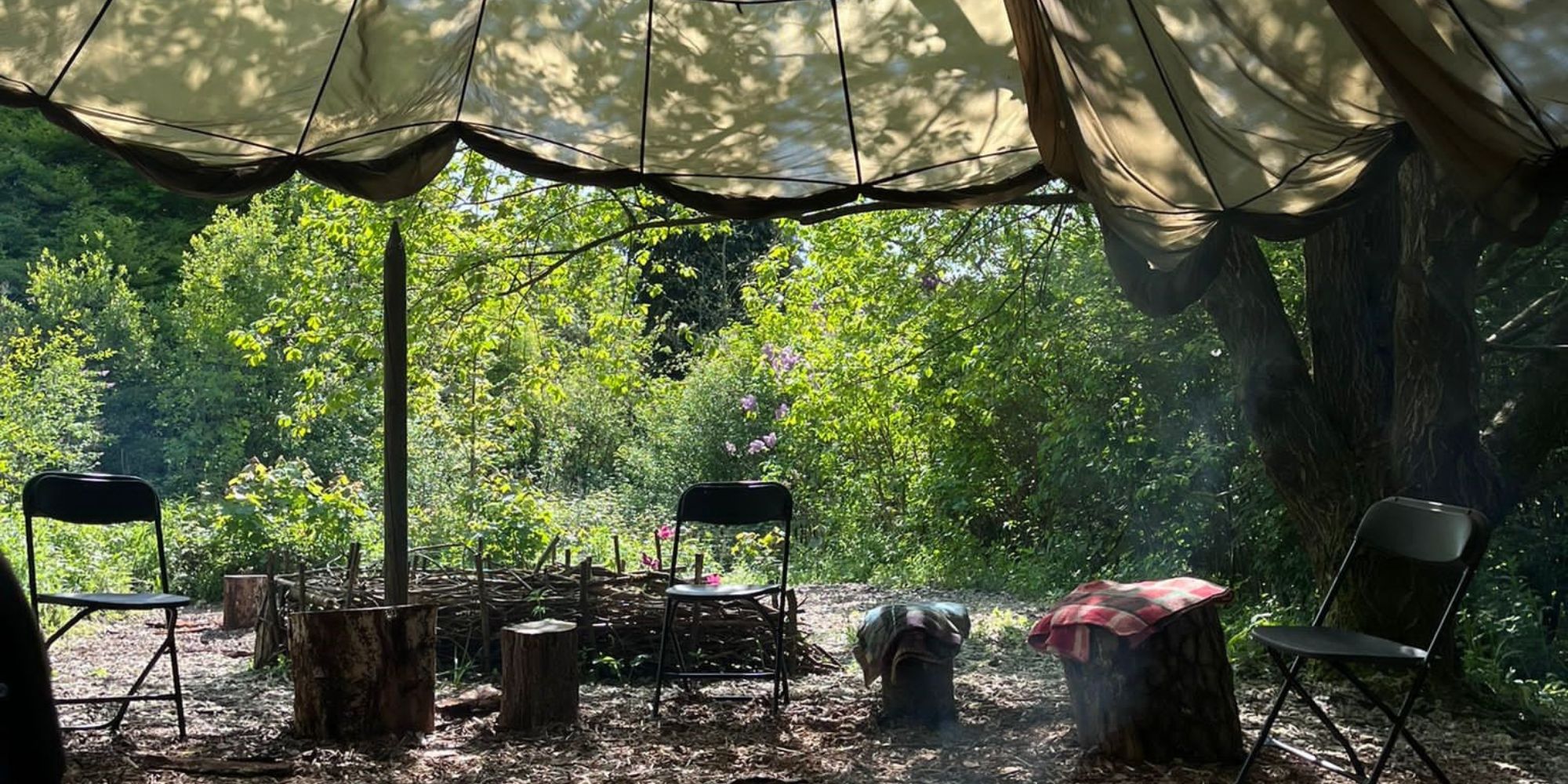
    The location is a gorgeous and secluded garden in Kemptown. You’ll be sent details of how to get there once you enrol. We will be able to supply bus passes for people who need to travel.

    Background to the course

    This course enables women to access the benefits of mindfulness in a way that is is a trauma-informed and culturally sensitive. The Mindfulness Across Borders curriculum was created by Ariana Faris and Sheila Webb with funding from the Oxford Mindfulness Foundation. The design is based on a project piloting courses in trauma-adapted and culturally-sensitive Mindfulness Based Cognitive Therapy for refugee and asylum-seeking communities in London, Cardiff and Brighton. The curriculum was co-produced with refugees in these cities. It is therefore sensitive to the experience and traumas that individuals may have faced.

    The Sussex Mindfulness Centre is offering this course free, as part of its efforts to reach underrepresented communities. We are partnering with the Network of International Women for Brighton and Hove.

    Teachers

    Lana Jackson
    Lana Jackson

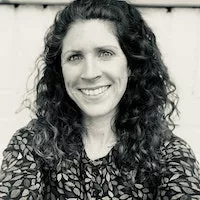
    Lana is a senior clinical psychologist, yoga therapist, and mindfulness teacher with Sussex Mindfulness Centre. She has a special interest in nature-connection and trauma-informed therapy and practice with children, young people and adults.

    Julia Powell
    Julia Powell

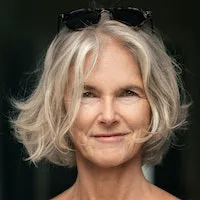
    Julia trained to be a mindfulness teacher in 2017, after a career in international development, social justice and human rights, including refugee rights. Julia runs trauma-informed mindfulness courses and coaching for the public and for refugees and asylum seekers.

    Course format

    The session provides a range of activities and each session is different. Generally, they start with some gentle movement or stretching exercises. The first four sessions are designed so participants can get an idea of what happens, and decide if the course is for them. From session five, the course is closed to newcomers to create a more intimate and safe space.

    There is a tea break in the middle of the sessions.

    How to apply

    The course is free. Please fill in this short form, or email Lara at spft.smc@nhs.net.

  • Winner in Innovations in Mindfulness Awards

    Winner in Innovations in Mindfulness Awards

    The Sussex Mindfulness Centre has won an Innovations in Mindfulness Award for their pioneering work running mindfulness courses for women refugees

    Lana Jackson holding the Innovation in Mindfulness Awards finalist trophy
    Lana Jackson holds the award

    The award was announced on 19 October 2024, at the Manchester Mindfulness Festival. The awards were initiated to celebrate “the creativity that makes mindfulness practices more accessible, more diverse and more effective.” The Centre won this award under the Creative Partnerships category which acknowleges the role of all the individuals and organisations that made this work possible.

    Julia Powell, mindfulness teacher, receiving the Innovations in Mindfulness Award for the Centre's work with refugees
    Juila Powell receives award

    The first most important collaboration, and part of the winning team, were Ariana Faris and Sheila Webb for pioneering the development of the curriculum, Mindfulness Across Borders. The 10-week course was adapted from Mindfuness Based Cognitive Therapy to be non-hierarchical, trauma-informed and culturally sensitive. Ariana supervised the Sussex Mindfulness Centre teachers to run the courses in Brighton. And Ariana enabled the teachers to make further adaptations to the curriculum, which were inspired by the participants themselves.

    The other important collaborators were the leaders, volunteers and staff of local refugee organisations including: The Network of International Women for Brighton & Hove, Sanctuary on Sea, Hummingbird, Brighton Exiled / Refugee Trauma Service, and many more. A huge thanks to them all.

    Nick Grey, Consultant Clinical Psychologist at Sussex Partnership NHS Foundation Trust secured funds from Health Education England so that we could run courses for underrepresented groups. Robert Marx, Co-Lead for the Sussex Mindfulness Centre, identified asylum seekers and refugees as an important population for our outreach work. He continues to be a champion for this initiative. Interns Susie Mszynska and Georgia Sawyer supervised by Clara Strauss, and staff member Zoe Baty provided essential support to help us promote and run the sessions.

    Dr Lana Jackson and Julia Powell led the courses in Brighton. On hearing news of the award Lana said,

    Receiving this award is not only an honour but a reminder of the importance of this work. It highlights the need for trauma-sensitive, supportive spaces that respect and honour the lived experiences of refugees and people seeking asylum in the UK. … Watching the women come together, support each other, and their deep appreciation for mindfulness practice has been one of the most moving experiences of my career to date.

    You can read more about the evolving innovations, including how the sessions were taken outdoors in Lana’s blog post here.

    Mindfulness teacher, Julia Powell said,

    We’re so thrilled to get this award. At a time, when so many people in the UK are under attack for exercising their right to seek sanctuary from persecution or war, it feels like their struggle is being recognised. We hope this award helps us with our fundraising and inspires others to run these courses all around UK, so that more people can learn to adapt to their new situation, and feel welcome in their communities.”

    You can read more of Julia’s experience of running the courses in Miracles of Mindfulness; working with women refugees.

    The teachers were humbled to witness how women refugees benefit from mindfulness. Having been uprooted, separated from loved ones, living in poor housing with their lives on hold many of the participants were still able to find stability, comfort, warmth and a sense of community and solidarity from the sessions. One participant said,

    When I do mindfulness, I feel like I’m flying. It’s very powerful, you feel like you can run, you can learn.”

    With generous agreement from the original two pioneers of the curriculum, Ariana and Sheila, the Sussex Mindfulness Centre will use the prize money to run another course for asylum seekers and refugees.

  • Innovations in mindfulness for refugees

    Innovations in mindfulness for refugees

    Dr Lana Jackson, Clinical Psychologist and mindfulness teacher at the Sussex Mindfulness Centre, shares some of the innovations in our work with refugees and celebrates the team’s award.

    I am beyond thrilled to announce that our collaborating team has won a 2024 Innovations in Mindfulness Award! This recognition honours the work we’ve been doing through our 10-week, trauma-informed, and culturally-sensitive mindfulness courses that were designed for women refugees and asylum-seekers. It’s a moment of deep gratitude, not only for the award itself, but for the journey that has led us here.

    Julia Powell (mindfulness teacher) and I began our journey with Mindfulness Across Borders; an adapted mindfulness programme originally created by the visionary Ariana Faris and Sheila Webb. From the beginning, their approach was rooted in understanding the unique challenges faced by displaced women and the ways in which mindfulness could serve as a lifeline amidst unimaginable traumas.

    In collaboration with Ariana and based on the feedback from the women in our groups, we continued to adapt and evolve the programme to meet their needs more fully. One of the key adaptions was the addition of more mindful movement, especially at the start of each session. For women who have been through physical and emotional displacement, reconnecting with the body in a safe and gentle way became a powerful form of healing. The simple act of moving with mindfulness helped to re-establish a sense of agency and grounding.

    We also decided to take the course outdoors, embracing the therapeutic power of nature. Research shows that being outdoors can reduce anxiety, depression, and even improve self-esteem. Nature also offers physiological benefits, like lowering cortisol levels, heart rate, and blood pressure. But beyond the science, being surrounded by natural beauty—feeling the earth beneath your feet, listening to the sound of the birds, breathing in the fresh air—fosters an innate sense of connection and belonging. For women uprooted from their homes, this connection to the natural world seemed to provide a source of comfort. The sensory experiences of nature also helped to ground awareness more fully into the present moment, enhancing the mindfulness practice. In many ways, nature itself became part of the healing process.

    Another significant element we introduced was the fire circle. There is something deeply comforting and timeless about gathering around an open fire, sacred even. It is an ancient ritual where people have come together for warmth, safety, and the sharing of stories, across cultures for centuries. For the women in our group, being together around the fire, sharing food and tea, seemed to create a deeper sense of community, trust and connection.

    I have been continually inspired by the resilience, courage, and strength of these women. They are the heart of this project. Watching them come together, support each other, and their deep appreciation for the mindfulness practice has been one of the most moving experiences of my career to date.

    Receiving this award is not only an honour but a reminder of the importance of this work. It highlights the need for trauma-sensitive, supportive spaces that respect and honour the lived experiences of refugees and people seeking asylum in the UK. We hope that this moment brings us closer to securing the funding we need to continue this vital work in Sussex. I am filled with gratitude and excitement for our continued journey ahead.

  • Mindfulness for refugees is finalist in Innovations in Mindfulness Awards

    Mindfulness for refugees is finalist in Innovations in Mindfulness Awards

    Our work implementing the Mindfulness Across Borders curriculum with women refugees and asylum seekers in Brighton has been recognised by the Innovations in Mindfulness Awards.

    Collaborating with the original pioneers of the Mindfulness Across Borders curriculum, the Sussex Mindfulness Centre has been offering mindfulness courses to women refugees in Brighton. You can find out more about the project here and in this blog post; Miracles of Mindfulness.

    The Innovations in Mindfulness Awards celebrate manifesting creativity: innovators meeting need by turning ideas into reality, making a difference to people’s lives through significant new approaches to bringing mindfulness into the heart of society.

    The finalists were chosen by a distinguished panel of judges for:

    1. Solving a real need;
    2. Creativity and risk-taking;
    3. Diversity, inclusion and accessibility to new audiences;
    4. Testing and iterating;
    5. Collaboration and learning from each other;
    6. Sustainability and impact over time.

    The winning project in each of three categories will be announced at the The Manchester Mindfulness Festival on 19 October 2024.

  • Miracles of mindfulness; working with women refugees

    Miracles of mindfulness; working with women refugees

    Julia Powell writes about her recent humbling experience co-leading mindfulness for groups of women refugees, asylum seekers and migrants…

    Lana Jackson and I have just finished co-leading our second ten-week mindfulness course for women refugees. We’ve been using the trauma-informed Mindfulness Across Borders curriculum developed by Ariana Faris and Sheila Webb and funded by the Oxford Mindfulness Foundation. The initiative is part of the Sussex Mindfulness Centre’s effort to reach underrepresented communities.

    With Lana’s encouragement and enthusiasm for eco-therapy, we ran this second course outdoors, in a secluded garden in Stanmer Park, Brighton. The setting was perfect. We had a fire circle with logs to sit on, and were sheltered under a parachute that was draped over trees, in case it rained.

    At first, it was a challenge to attract participants to what may be an alien concept in some cultures. In the promotional material we minimised ‘mindfulness’ and highlighted the benefits articulated by previous participants of courses in Cardiff and London. Following lots of support from local refugee organisations, both courses were eventually oversubscribed.

    We earned the confidence of the women participants early on by responding to their needs and adapting the curriculum accordingly. For example, as many of the women are dealing with high levels of anxiety they requested more mindful movement. Physical activity at the beginning of each session helped them feel more grounded, and more able to participate in the rest of the session. Realising that they were co-creators in the course created trust, a sense of belonging and ownership.

    We kept the venues secret to protect our participants from the sorts of hate crimes that recent arrivals to the UK have been subject to. Many of the participants will have left war or persecution behind them, and some may have faced hostility in their new host communities. Many live in poor temporary accommodation, with lives on hold as they await long-delayed decisions on asylum applications and are prohibited from working in the meantime. As I write, I am contacted by one distressed former participant who, with her husband and children fears imminent eviction.

    So, in the face of such adversity you may wonder how mindfulness could possibly help? Obviously, our programme doesn’t address urgent and practical challenges like becoming homeless. And in such cases, of course it is necessary to ‘do’ something. Not simply ‘be’ with the uncertainty.

    But, an excellent example of the power of mindfulness came a few weeks ago. One participant woke up to discover rain pouring through her ceiling into her bedroom during the recent heavy rains. Water flooded into all of the rooms of her small flat. She got a sudden rush of emotion as she realised what was happening. Then she remembered the ‘breathing space’ learnt in previous sessions. She actually referred to the little credit card-sized prompt we had given her. She took a breathing space, remained calm, alerted the landlord, and phoned a friend. She gathered herself up, left the disaster that was her home and came to our weekly session in the park, albeit a little late!

    We were very pleasantly surprised by the wholehearted engagement of the women, right from the start. The insights they shared showed how much they learned. Participants talked about the value of the programme.

    “Mindfulness is sunrise because it’s like a new day, it’s hope, it’s clear.”

    Woman on the mindfulness course

    Another participant said:

    “When I do mindfulness, I feel like I’m flying. It’s very powerful, like flying, you feel like you can run, you can learn.”

    Several women said they felt more confident, finding ways to be alongside difficulties, and learning to appreciate the little things, the sun and the breeze. Women talked about being more in tune with their bodies, more connected, more accepting. One participant recognised that pain in her body was specific and localised, and that the rest of her body felt fine. This was a revelation and released her from the idea that she was in pain.

    Love was a recurring theme in our one-word feedback at the end of the sessions. And the sense of connection, community and solidarity with others was ever present.

    I felt humbled to be with these women who have such challenging lives, who somehow carved out a little time for learning something entirely new, and for being open to the little miracles of mindfulness.

    Many thanks to interns, Susie Myszynska and Georgia Sawyer, for all their dedicated support with the sessions. Also thanks to Ariana Faris who provided hugely insightful and helpful supervision.